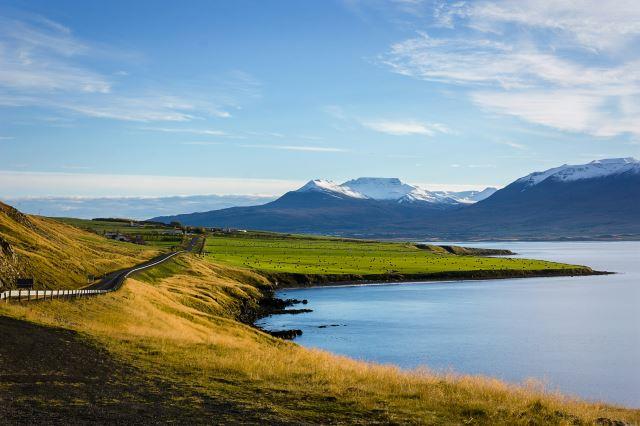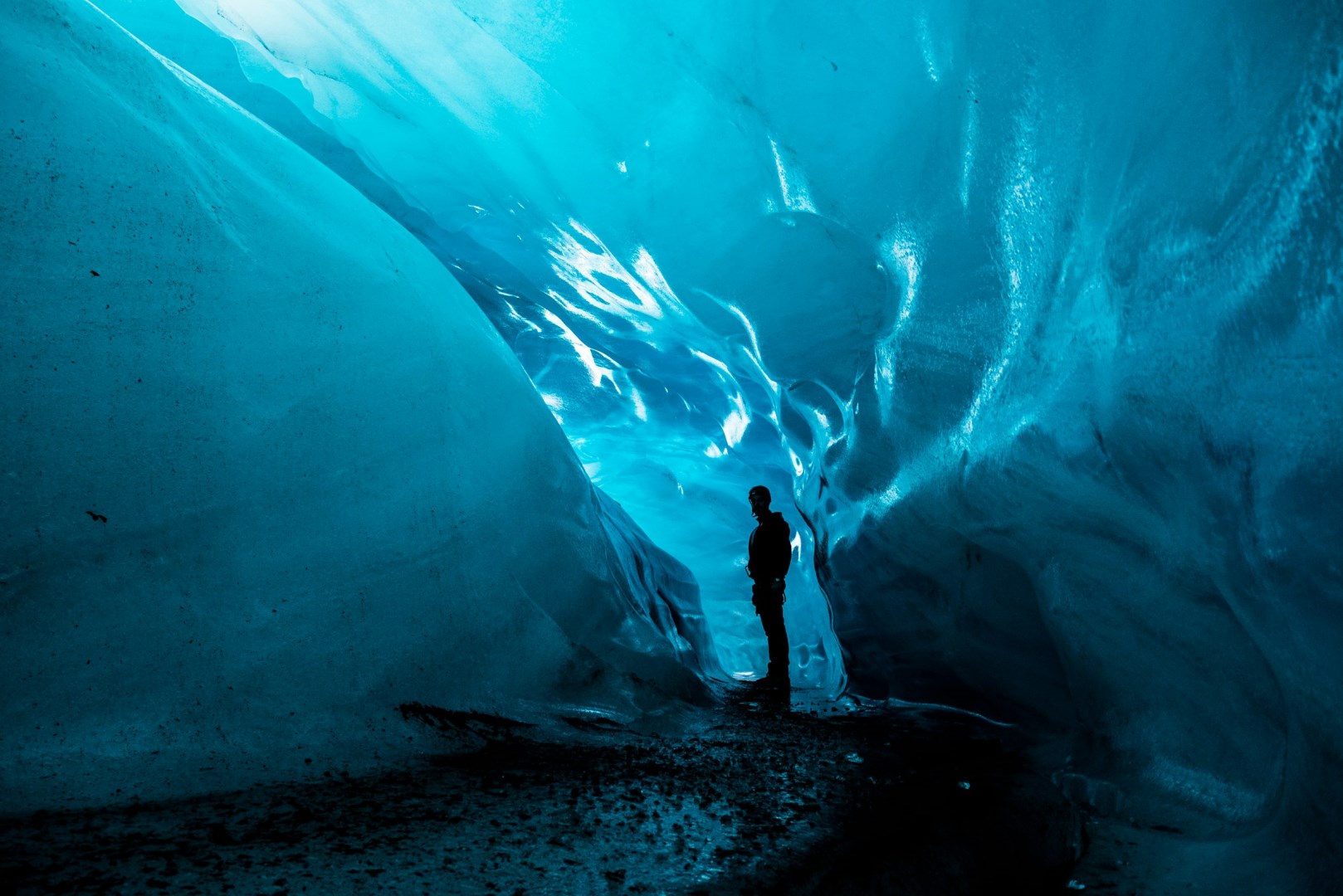
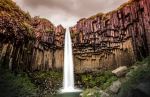
Vatnajökull National Park is one of Iceland’s largest protected areas, extending across a vast landscape of glaciers, volcanoes, lava fields, mountains, rivers, and glacial plains. At its center lies Vatnajökull, Iceland’s largest ice cap, whose outlet glaciers spread into surrounding valleys and lowlands. The park stretches across southeast and central Iceland and includes several distinct regions, from Skaftafell and Jökulsárlón to the volcanic landscapes of Askja and Kverkfjöll. Its defining feature is the interaction between ice and volcanic activity, a relationship that continues to reshape the land.
The park also preserves a long record of human life alongside a demanding environment. Historic farms, seasonal routes, and remnants of rural settlement reflect the ways people adapted to glacial rivers, volcanic eruptions, and changing landscapes. Skaftafell contains historic farm sites, while traditional travel routes once crossed areas that are now wilderness. Local stories and place names preserve knowledge of eruptions, floods, glaciers, and isolated communities. The park’s geological importance is recognized internationally, and Vatnajökull National Park is a UNESCO World Heritage Site for its exceptional examples of ongoing geological processes.
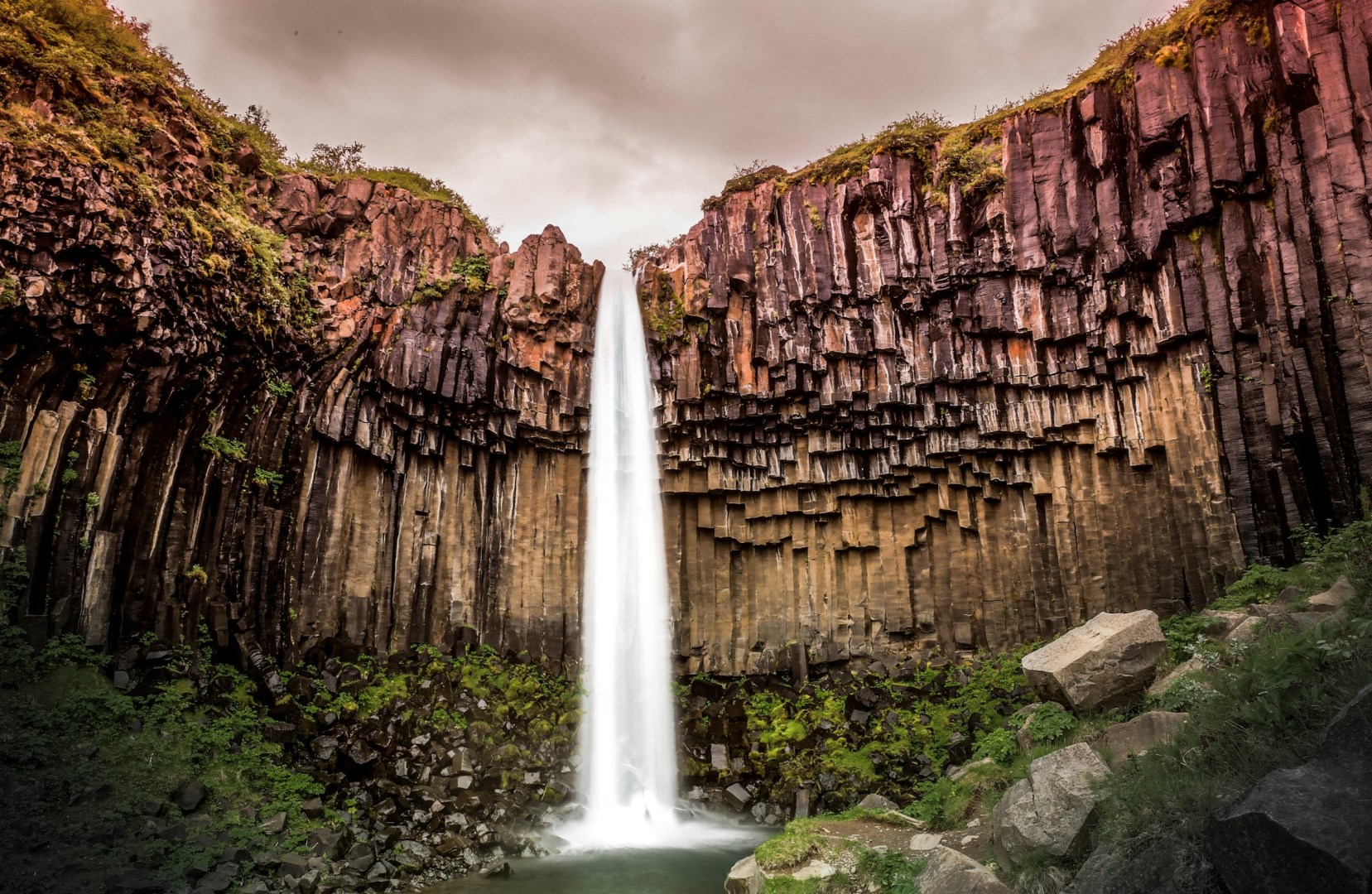
The landscapes vary greatly across the park. Skaftafell has birch woodland, hiking trails, glacial valleys, and the basalt columns of Svartifoss, while Jökulsárlón is a glacial lagoon where icebergs calve from Breiðamerkurjökull and drift toward the sea. Farther inland, Askja contains volcanic craters and lava fields, and Jökulsárgljúfur includes a deep canyon carved by glacial rivers. The park is also home to dramatic features created by eruptions beneath ice, including tuyas, volcanic ridges, outwash plains, and jökulhlaups, sudden floods caused by melting beneath glaciers.
Vatnajökull National Park has no single local cuisine, but food traditions in the surrounding regions reflect Icelandic farming and fishing, with lamb, dairy products, fish, rye bread, and locally gathered berries among common ingredients. Wildlife includes reindeer in the eastern part of the park, Arctic foxes, and numerous bird species associated with wetlands, rivers, and coastal areas. The park offers hiking, glacier walks, birdwatching, and opportunities to study changing glacial landscapes. Its retreating glaciers also provide visible evidence of climate change, with newly exposed land gradually developing vegetation as the ice withdraws.